Visit CPL (Cost per Lead) is a compensation model in affiliate marketing where the affiliate receives a commission when a user performs a specific action, typically related to lead generation. This may include subscribing to a newsletter, filling out a form, or requesting information.
Unlike the CPA (Cost Per Acquisition) model, where the affiliate is paid after a sale, CPL rewards the generation of qualified leads, making it particularly attractive in certain industries such as B2B marketing, insurance, and financial services.
What Is the CPL Model in Affiliate Marketing?
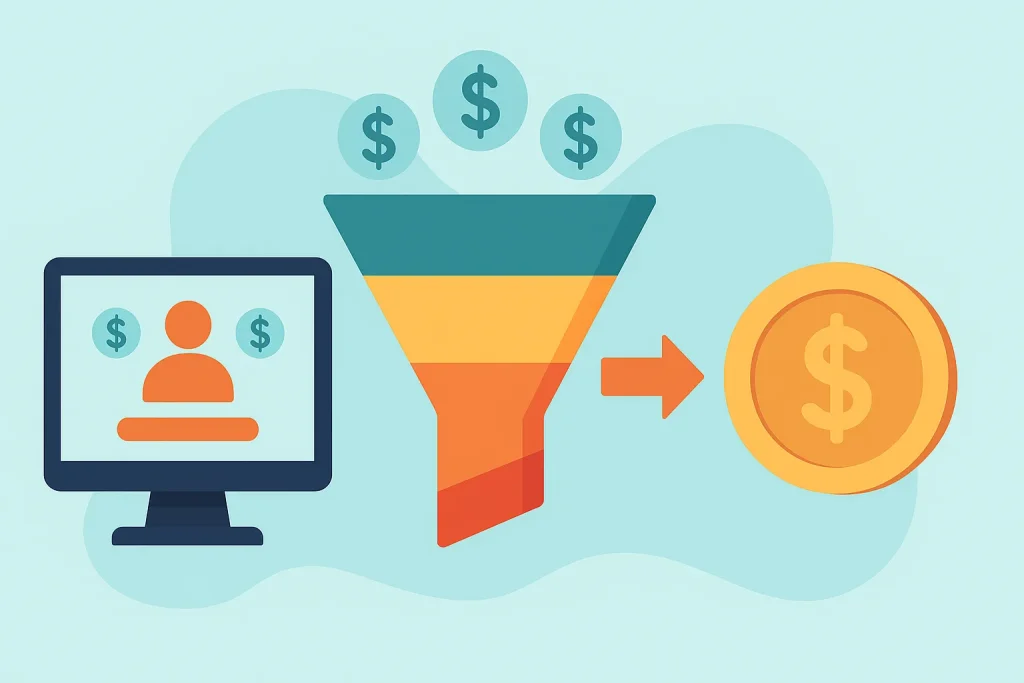
CPL, or Cost Per Lead, is a model in which the affiliate is paid each time a user performs a predefined action. This action does not necessarily involve a purchase, but it allows for the collection of information about the user, which is valuable to companies seeking to convert these prospects into customers.
Examples of activities compensated through CPL:
- Fill out a contact form
- Sign up for a newsletter
- Request a Quote
- Download a white paper or brochure
- Sign up for a free trial
In general, these actions are considered initial steps in the customer journey, which is why it is important for companies to generate these leads and then convert them.
Why Is the CPL Model Popular?
The CPL model is popular because it offers businesses a low-cost way to generate leads, while allowing affiliates to monetize their audience without having to wait for a direct conversion into a sale. Here are a few reasons why CPL is popular:
Low Barrier to Action: Unlike CPA, where the user must make a purchase, CPL is based on simpler, less demanding actions, such as filling out a form or signing up for a newsletter. This makes it easier for the affiliate to achieve the desired action and increases the conversion rate.
Opportunities in Markets with Long Purchase Cycles: In certain industries, such as real estate, insurance, or financial services, the purchasing decision process can be lengthy. CPL allows companies to capture leads at an early stage, which they can then nurture to convert into customers.
Faster Pay: Affiliates don't have to wait for the final sale to receive a commission. As long as the user fills out the form or signs up for a service, the affiliate gets paid. This allows affiliates to generate revenue more quickly.
How Does the CPL Model Work?
The CPL model consists of several simple steps:
Enrollment in a CPL Program ➡️ The affiliate signs up for a CPL affiliate program through a platform (such as Awin or CJ Affiliate) or directly with a company. The affiliate receives a trackable affiliate link.
Promotion of a Product or Service ➡️ The affiliate includes this link in their content (blog, social media, emails, etc.) and promotes the offer. This may include educational content, comparisons, or recommendations.
User action ➡️ When a user clicks on the affiliate link, they are redirected to a landing page where they are encouraged to fill out a form, sign up for a newsletter, or take another action.
Tracking and Payment ➡️ Once the user has completed the action (filling out a form, uploading a document), the affiliate receives a commission. The amount of this commission may vary depending on the value of the lead to the company.
Advantages and Disadvantages of PLC
Benefits:
- High conversion rate : The requested actions are simple and require no commitment, which makes it easier to convert visitors into customers.
- Rapid Monetization : Affiliates don't have to wait for a sale to receive a commission.
- Suitable for a variety of industries : CPL works well in industries where lead generation is essential, such as B2B marketing, financial services, or real estate.
- Opportunities for Stable Income : If you have a qualified audience and an attractive offer, you can earn commissions on a regular basis.
Disadvantages:
- Commissions are often lower : Compared to the CPA model, CPL commissions are generally lower because the required action (filling out a form) is less demanding than making a purchase.
- Variable lead quality : If the content or offer isn't well-suited to the audience, the leads generated may be of low quality, which can harm the relationship with the merchant.
- Dependence on the quality of the landing page : Success with CPL depends largely on the quality of the landing page and the offer. If the landing page is poorly optimized, the conversion rate may suffer.
Examples of Industries That Use PLC
The CPL model is particularly popular in certain industries where lead generation is crucial for converting potential customers. Here are a few examples of niches that often use this model:
Financial Services: Banks, insurance companies, and lending services often use CPL to generate leads. Users fill out forms to get quotes, compare insurance policies, or sign up for special offers.
Real Estate: In the real estate industry, it is common to use CPL to collect information about prospective buyers or renters.
SaaS and Software: Companies that offer software or online services (SaaS) use CPL to provide free trials or demos in exchange for user registration.
Education and Training: Schools, universities, and online learning platforms use CPL to encourage users to request more information about courses or programs, or to register for webinars.
How Can You Optimize CPL to Earn More?
Here are a few tips for maximizing your earnings as an affiliate in a CPL model:
Reaching the Right Audience: Make sure the product or service you’re promoting meets the needs of your audience. For example, if you’re promoting an insurance quote service, target readers who are interested in managing their finances or buying a car.
Creating High-Quality Content: Create informative and relevant content to encourage your audience to take action. Detailed blog posts, explanatory videos, or guides can convince your readers to fill out forms or sign up for newsletters.
Optimizing Calls to Action (CTAs): The success of CPL depends largely on the effectiveness of your calls to action. Use clear, direct, and compelling CTAs to encourage your users to click on your affiliate links and take the desired action.
Track and Analyze Performance: Use analytics tools to track your lead conversion rate and identify what’s working and what isn’t. This will help you optimize your promotional strategies and improve your results.
Improving Landing Pages: Work with advertisers to optimize the landing pages to which you redirect your users. A well-designed landing page will increase the likelihood that your prospects will fill out the form or sign up for the offer.
Comparison of the CPL and the CPA
| Criteria | CPL (Cost per Lead) | CPA (Cost per Acquisition) |
|---|---|---|
| Action Required | Fill out a form or sign up | Make a purchase or perform a complex task |
| Level of Commitment | Low to moderate | High |
| Commission | Generally lower | Higher |
| Conversion | Easier to get | Less frequent, but higher pay |
The CPL model is a powerful method for affiliates looking to monetize their audience by generating qualified leads without waiting for a sale to close. Although it may offer lower commissions than other models such as CPA, it makes up for this with a higher conversion rate, since the required action is generally simple and requires little commitment from the user.
By optimizing your content strategies, properly targeting your audience, and collaborating with advertisers to improve landing pages, you can leverage CPL to maximize your affiliate revenue.