Programmatic advertising has transformed the digital marketing industry by automating the buying and selling of ad space using sophisticated algorithms. However, the advent of artificial intelligence (AI) in this field has further accelerated this evolution, enabling unprecedented optimization of advertising campaigns and maximizing return on investment (ROI).
This article explores how AI is transforming programmatic advertising by improving personalization, targeting accuracy, and operational efficiency.
When Artificial Intelligence 🧠 Meets Programmatic Advertising 🎯: New Strategies, New Results
The rapid evolution of digital marketing has made programmatic advertising a central component of modern advertising strategies. By automating the buying and selling of ad space, programmatic advertising has enabled brands to reach their audiences more effectively on a large scale. However, the integration of artificial intelligence (AI) into this process has paved the way for an even more profound transformation.
Today, AI is no longer just a data analysis tool; it is becoming the driving force behind new advertising strategies, offering unprecedented levels of personalization, effectiveness, and campaign optimization. By combining machine learning, predictive algorithms, and real-time analysis, AI enables advertisers to go beyond the limits of traditional automation to generate measurable results and maximize return on investment.
We’ll explore how AI is changing the game in programmatic advertising by offering innovative strategies and exceptional results. Whether through bid optimization, smart audience management, or the creation of dynamic ads, artificial intelligence is redefining the advertising landscape, offering advertisers a unique opportunity to stand out in an increasingly competitive environment.
Programmatic Advertising: A Quick Reminder
Programmatic advertising refers to the use of algorithms to automatically purchase ad space in real time, without human intervention. Through real-time bidding (RTB), advertisers can purchase ad impressions instantly when a user visits a website or app. This process allows for more precise targeting of relevant audiences, thereby reducing unnecessary advertising costs while increasing effectiveness.
AI: The Catalyst for Programmatic Advertising
Artificial intelligence, particularly in its forms of machine learning (machine learning) and deep learning (deep learning) serves as a powerful driver in programmatic advertising. Unlike simple algorithms, AI is capable of analyzing enormous volumes of data in real time, detecting complex patterns, and making informed decisions to optimize campaigns.
The integration of AI makes it possible to adapt and refine campaigns based on various factors, such as user behavior, user preferences, market trends, and real-time events. Here are some key areas where AI provides significant added value:
Precise Targeting and Personalization
One of the main advantages of AI in programmatic advertising is its ability to segment audiences with extreme precision. By analyzing demographic, behavioral, contextual, and even psychographic data, AI can identify very specific audience segments.
For example, AI can determine that a user is likely to purchase a particular product based on their previous searches, purchases, and even their social media activity. It then tailors the ad to that specific profile, thereby improving the relevance of the advertisements.
This real-time personalization not only allows you to reach the right audience at the right time, but also significantly increases engagement and conversion rates.
Bid Optimization and Budget Allocation
Thanks to machine learning, AI-powered advertising systems can analyze the performance of ad campaigns in real time and adjust bids accordingly. For example, if an ad impression is more likely to generate a conversion for a specific audience at a particular time, the AI will automatically increase the bid to maximize the probability of conversion.
In addition, AI enables more efficient budget management by optimizing resource allocation. It can predict which advertising channels or formats offer the best ROI, allowing advertisers to focus their budgets on the highest-performing campaigns. This ability to dynamically adjust reduces wasted resources while maximizing results.
Enhancing Creativity with Dynamic Ads
AI doesn't just impact targeting and bidding—it also affects ad creation. With AI-powered dynamic ads, advertisers can automatically adjust visuals, text, and even the CTA depending on the target audience.
For example, a clothing brand could generate an ad showing a coat for someone in a cold region and a T-shirt for someone in a warmer region, all based on real-time weather data. These real-time adjustments make ads more relevant, thereby increasing user engagement.
Performance Forecasting and Analysis
Another advantage of AI lies in its predictive capabilities. By analyzing historical and current data, AI can anticipate the future performance of advertising campaigns. This allows advertisers to make decisions based on accurate insights rather than assumptions.
AI can also provide detailed reports on campaign performance, identifying the most effective channels, creatives, and audience segments. This data enables advertisers to refine their strategies in real time, thereby optimizing their future campaigns.
Reducing Advertising Fraud
Ad fraud is a major problem in the programmatic industry, where bots and non-human activity can artificially inflate impressions or clicks. AI can detect and prevent this fraud by analyzing abnormal behavior patterns in real time.
AI algorithms can identify suspicious clicks or impressions from fraudulent sources and block these activities before they harm campaign performance. This allows advertisers to protect their investments and optimize their ad spend for legitimate audiences.
AI and Ethics in Programmatic Advertising
Although AI brings considerable value to the optimization of advertising campaigns, it also poses ethical challenges, particularly with regard to the protection of personal data and privacy. Regulations such as the GDPR in Europe require advertisers to use data responsibly, and AI can play a role in ensuring compliance by making sure that the data collected is used ethically and securely.
The Future of Advertising🎯 Programmatic Advertising with AI🧠
As programmatic advertising continues to grow, AI will play an even more central role in the future of this field. Advances in artificial intelligence and machine learning will open up new opportunities for both advertisers and publishers.
Let's explore some of the upcoming trends in AI-powered programmatic advertising:
Ads Based on Generative AI
Generative AI, which is capable of creating original content such as visuals, videos, and text, is already transforming the way advertisements are produced. In the future, AI-powered systems could automatically generate ads based on user behavior, purchase history, and real-time interactions.
For example, a cosmetics brand could generate personalized ads that include product recommendations tailored specifically to each user, while adjusting the visuals and messages to match their personal preferences.
Emotional AI
Emotional AI, which analyzes human emotions based on behavioral data or facial recognition, could help us better understand and respond to consumer needs in real time. By combining this technology with programmatic advertising, advertisers could tailor campaigns not only to demographic or behavioral contexts, but also to users’ emotional states.
For example, an advertising campaign could be adjusted if a user shows signs of stress or fatigue, by offering them more relaxing messages or wellness products. This could radically change the way brands interact with consumers and create more empathetic and human experiences.
Immersive Advertising in Virtual Worlds
With the rise of the metaverse and virtual and augmented reality environments, AI will play a key role in creating and optimizing immersive advertisements in these worlds. AI could not only help personalize these immersive experiences but also analyze user interactions within these environments and adjust advertising campaigns accordingly.
For example, brands will be able to create augmented reality advertising experiences where consumers can virtually try out products, explore immersive stores, or participate in sponsored events. These interactive ads could be dynamically adjusted based on users’ preferences and behaviors, offering a new level of personalization.
Real-Time Optimization in a Multichannel World
In the future, advertising campaigns will become increasingly multichannel, incorporating various formats (videos, banners, audio, etc.) and platforms (websites, mobile apps, smart TVs, social media, etc.). AI will play a central role in the real-time management and optimization of these campaigns across multiple channels simultaneously.
Thanks to AI, advertisers will be able to tailor their advertising strategies based on user interactions across different devices and platforms, thereby creating a consistent and seamless experience for consumers, whether they’re switching from mobile to desktop or from TV to an app.
Challenges and Limitations of AI🧠 in Programmatic Advertising🎯
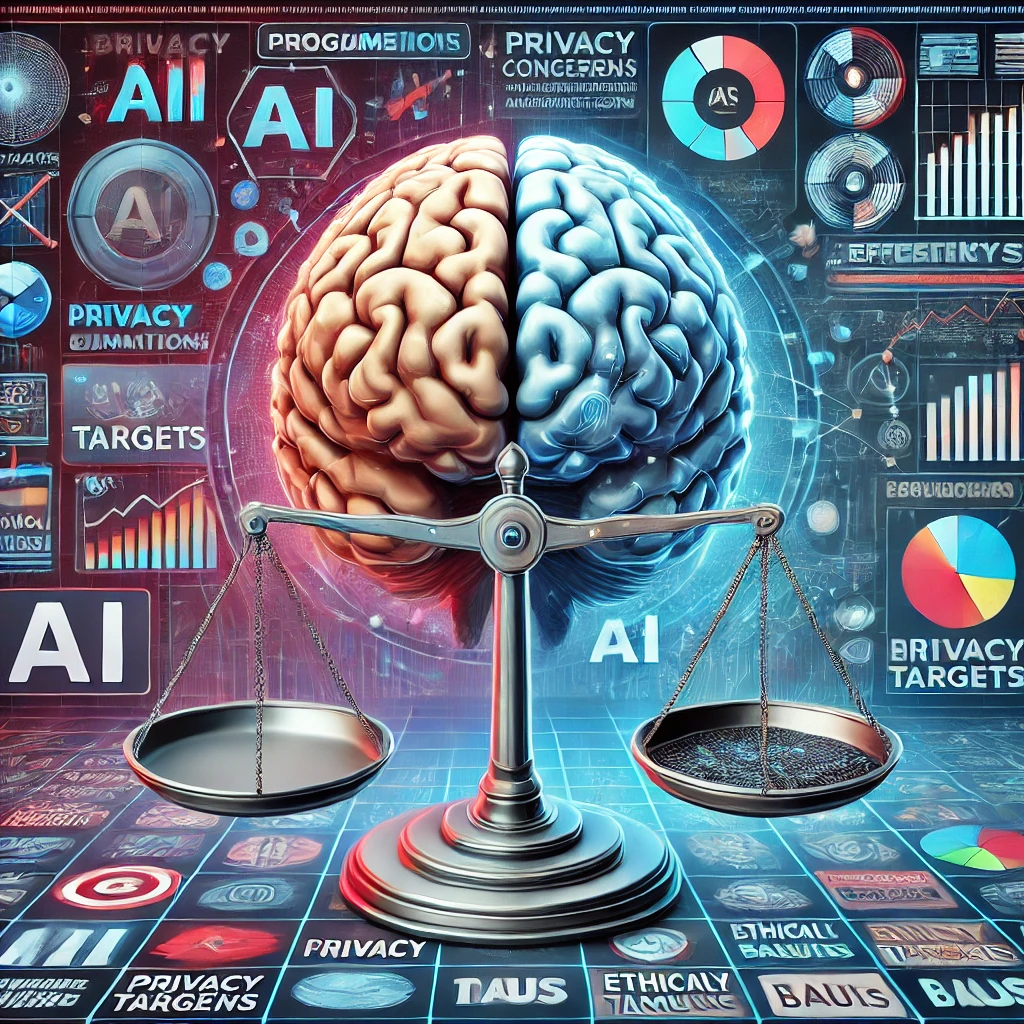
Although AI offers many advantages in programmatic advertising, it is not without its challenges. Here are some of the limitations and issues that will need to be overcome for AI to reach its full potential in this field:
Reliance on Quality Data
AI relies primarily on data. The more accurate and abundant the data, the better the recommendations and adjustments it can make. However, data quality remains a major concern. Incomplete, erroneous, or biased data can lead to suboptimal decisions and ineffective campaigns.
The collection of personal data also raises ethical questions, particularly regarding user privacy. Regulations such as the GDPR in Europe and the CCPA in California impose strict restrictions on the use of data, forcing advertisers to rethink their strategies for collecting and processing information.
Issues of Interpretability and Transparency
One of the main obstacles to the widespread adoption of AI in programmatic advertising is the lack of transparency in AI models. Machine learning systems are often viewed as «black boxes,» making it difficult to understand how decisions are made. This can pose problems, especially when advertisers seek to justify why a certain bid was increased or why a particular audience was targeted.
Efforts are underway to improve the explainability of AI systems, but there is still much work to be done to help advertisers better understand the mechanisms behind ad campaign optimization.
AI Ethics and Bias
Although AI is designed to be objective, it can perpetuate or even amplify certain biases if it is trained on biased historical data. This can lead to inequalities in the ads that are shown or to reinforced stereotypes.
For example, an AI model trained on data that over-represents a certain demographic group could under-target or mis-target underrepresented audiences. Advertisers must be aware of these risks and take steps to minimize bias in their AI models, including diversifying the data used to train the systems and ensuring that advertising campaigns remain inclusive and ethically responsible.
A Promising Future with Challenges to Overcome
Artificial intelligence in programmatic advertising offers enormous potential for maximizing return on investment and improving the effectiveness of advertising campaigns. Thanks to its ability to process vast amounts of data in real time, personalize ads, and automatically adjust bids and budgets, AI is already transforming the way advertisers engage with their audiences.
However, it is essential that marketing professionals continue to keep pace with technological advancements, while remaining mindful of the challenges related to ethics, data protection, and transparency. By overcoming these obstacles, AI and programmatic advertising can truly shape a future where campaigns are not only more effective but also more respectful and empathetic toward consumers.
The future of advertising lies in striking a balance between intelligent automation and human engagement, and artificial intelligence is the key to unlocking that potential on a large scale.
Artificial intelligence is redefining programmatic advertising by enabling greater personalization, real-time budget optimization, and better protection against fraud. By leveraging the capabilities of AI, advertisers can maximize their return on investment while delivering more relevant and engaging advertising experiences to their target audiences.
However, it is essential to keep ethical considerations in mind and to continue moving toward responsible data management practices. AI is a powerful tool, and when used properly, it can transform the advertising landscape for the better, improving both the effectiveness of campaigns and the consumer experience.